Core drilling is one of those jobs that looks simple until you’re standing in front of solid concrete with the wrong tool in hand. Whether you’re cutting a hole for plumbing, electrical conduit, or an air conditioning unit, a core drill is purpose-built for clean, precise holes through concrete, brick, and masonry — something a standard drill simply can’t handle.
If you’re considering core drill hire for an upcoming project, this guide covers everything you need to know before you book — from choosing the right size to understanding wet vs dry drilling methods, so you get the job done right the first time.
What Is a Core Drill and What Is It Used For?
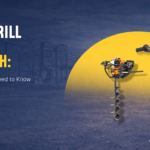
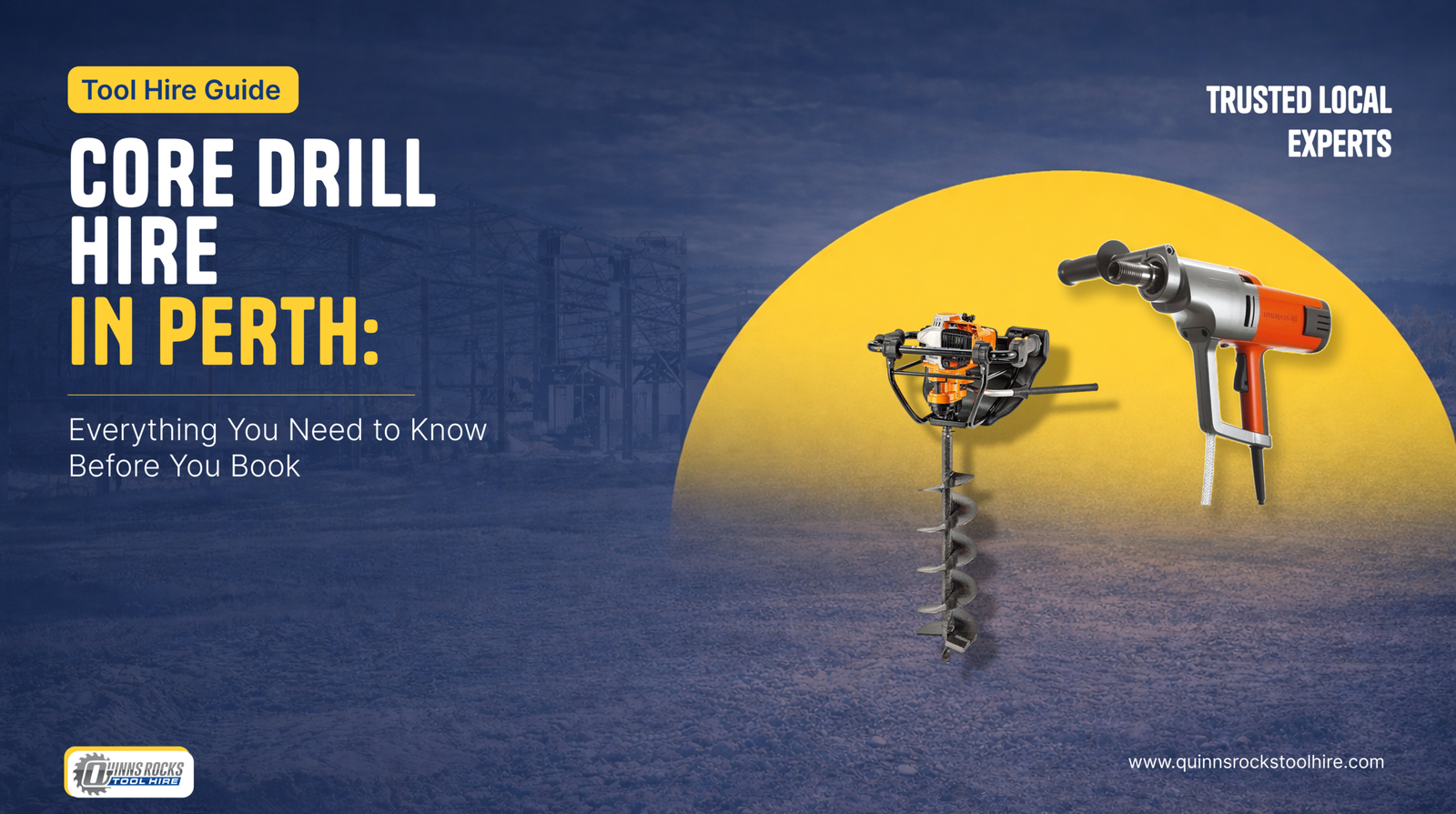
A core drill uses a hollow, diamond-tipped cylindrical bit to cut through hard materials like concrete, stone, and brick. Unlike a standard drill that removes material as dust or shavings, a core drill removes a solid cylindrical “core” — leaving a clean, precise hole with minimal cracking or damage to the surrounding surface.
Common uses for core drill hire include:
- Installing plumbing or drainage pipes through concrete slabs
- Running electrical or data cabling through walls or floors
- Fitting air conditioning units that require wall penetrations
- Installing balustrades, handrails, or structural fixtures
- Creating openings for ventilation or exhaust systems
- Anchoring bolts or fixtures into concrete or masonry
Also Check: Core Drilling in Perth: Equipment Guide & DIY Tips
Do You Need a Core Drill or a Standard Drill?
This is the most common question first-time customers ask when searching for drill hire. The answer comes down to the material and the precision required. A standard hammer drill is fine for smaller holes in brick or lighter masonry, but for larger diameter holes through solid concrete, especially where a clean edge matters, a core drill is the right tool.
If you’re unsure which category of equipment your job falls into, our team can talk you through it when you call to hire drill equipment for your project.
Choosing the Right Core Drill Size
Core drills come in a range of diameters depending on what’s passing through the hole — a pipe, cable conduit, or fixture:
- Small diameter (20-50mm) — suited to cabling, small conduit, or anchor points
- Medium diameter (50-100mm) — common for plumbing pipes and standard conduit
- Large diameter (100mm+) — used for larger pipework, ventilation, or structural openings
If you’re unsure what size you need, measure the pipe or fixture you’re installing and bring those dimensions with you when booking. You can browse our full range of drilling equipment to see what’s currently available for hire, including different bit sizes and rig configurations.
Wet vs Dry Core Drilling
Core drilling can be done wet (with a water feed to cool the bit and reduce dust) or dry (using a dust extraction system instead). Wet drilling generally produces a cleaner cut and extends the life of the drill bit, while dry drilling is more convenient for indoor jobs where water isn’t practical.
Also Check: Wet Cutting vs Dry Cutting Concrete
What You’ll Need Before Booking a Core Drill
To make sure you get the right equipment the first time, have this information ready when you call or book online: the material you’re drilling through, approximate thickness, the diameter of hole required, whether the job is indoors or outdoors, access to a power source and water supply if wet drilling is required, and whether the hole needs to be vertical, horizontal, or at an angle.
How Much Does Core Drill Hire Cost?
Pricing for core drill hire typically depends on the diameter of the drill bit, the hire duration, and whether you need a handheld unit or a full rig setup for larger holes. Smaller diameter drills for straightforward jobs are generally more affordable, while larger rigs used for structural openings cost more due to the equipment size and setup involved.
Safety Considerations for Core Drilling
Core drills are powerful tools and require care when operating. Check for embedded electrical wiring, plumbing, or reinforcement steel in the drilling area, ensure the drill is securely mounted, and wear appropriate PPE including eye and ear protection. Our team at Quinns Rock Tool Hire provides a safety walkthrough with every core drill hire, so you’re confident using the equipment correctly from the start.
Core Drill Hire vs Buying
Given how infrequently most homeowners and even many tradies need a core drill, hiring almost always makes more financial sense than buying. Hiring gives you access to professional-grade equipment exactly when you need it, without the ongoing maintenance or storage burden. You can explore our full range of equipment categories to see everything available for hire beyond just drilling equipment.
Also Check: Hiring Tools vs Calling a Tradie
Other Equipment You Might Need Alongside a Core Drill
Depending on your project, you may also need complementary equipment such as a jackhammer for demolition work before drilling, or cutting tools for finishing.
Also Check: Jackhammer Hire Guide
How Long Do You Need the Core Drill For?
Most core drilling jobs are completed within a single day, making daily hire the most common choice. However, if your project involves multiple penetrations across a larger site, a weekly hire period may offer better value than repeated daily hires.
Also Check: Daily vs Weekly Hire
Common Mistakes to Avoid When Hiring a Core Drill
Even experienced tradies occasionally run into avoidable issues — underestimating the diameter needed, not checking for embedded services before drilling, choosing dry drilling for a large diameter hole where wet drilling would be more effective, and not confirming water access on-site when wet drilling is required.
Why Hire Your Core Drill from Quinns Rock Tool Hire
Quinns Rock Tool Hire has supported Perth’s northern suburbs with reliable, well-maintained equipment for over 19 years. Every core drill is inspected and serviced before and after each hire, and our team is on hand to help you choose the right size and drilling method for your specific job.
Final Thoughts
Core drilling is precise, demanding work — and having the right equipment makes all the difference between a clean job and a costly mistake. Ready to book? Get in touch with our team through our contact page today and we’ll help you find the right core drill for your project.