Brick Saw vs Circular Saw comes down to one core difference: material. Short answer — a brick saw is built specifically for cutting brick, block, and masonry with a water-fed diamond blade, while a circular saw is designed for timber and sheet material using a toothed blade. They’re not interchangeable, and using the wrong one either won’t cut the material at all or will destroy the blade trying.
This guide breaks down when you need each tool, what happens if you get the choice wrong, and how to decide quickly based on your actual project.
What Is a Brick Saw?
A brick saw uses a diamond-tipped blade, often with a water feed to cool the blade and suppress dust, to make clean, precise cuts through brick, block, and masonry. It’s the standard tool for bricklaying, paving work, and any job requiring accurate masonry cuts.
Brick saws typically come in bench-mounted and handheld formats. Bench-mounted units are ideal for repetitive, high-volume cutting on paving or bricklaying projects, while handheld versions offer flexibility for on-site cuts where the material can’t easily be brought to a fixed saw.
What Is a Circular Saw?
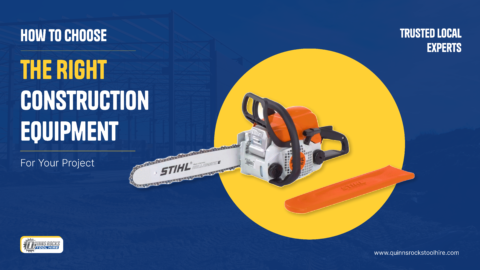
A circular saw uses a toothed steel blade to cut timber and sheet material with speed and precision, making it the standard tool for framing, decking, and general carpentry work. Blade sizes and tooth counts vary depending on whether you’re prioritising speed (fewer teeth, faster cut) or a clean finish (more teeth, smoother cut).
Also Check: Circular Saw Hire Perth: Smooth Cuts & Professional Results
Why Wet Cutting Matters for Brick Saws
One of the biggest differences between these two tools is dust management. Brick saws use a water feed specifically because cutting masonry dry generates significant crystalline silica dust — a known respiratory hazard. The water suppresses dust at the point of the cut and also extends blade life by keeping the diamond segments cool. Circular saws, by contrast, cut timber dry, since wood dust doesn’t carry the same respiratory risk and water would damage the material and tool.
Brick Saw vs Circular Saw: Key Differences
| Factor | Brick Saw | Circular Saw |
|---|---|---|
| Material | Brick, block, masonry | Timber, sheet material |
| Blade type | Diamond-tipped | Toothed steel |
| Dust control | Water-fed, low dust | No water, dust-heavy on masonry |
| Use case | Paving, bricklaying | Framing, decking, carpentry |
| Format | Bench-mounted or handheld | Almost always handheld |
Can a Circular Saw Cut Brick?
Not effectively, and not safely without the correct blade. A standard timber blade will wear out almost instantly against masonry and can be dangerous if it binds or shatters mid-cut. If you occasionally need to cut brick, a diamond blade fitted to an angle grinder is a better stopgap than forcing a circular saw to do the job — but for anything beyond a single cut, a proper brick saw is the right tool for both efficiency and safety.
Also Check: Brick Saw vs Angle Grinder: Which Tool to Hire in Perth?
Can a Brick Saw Cut Timber?
Technically a diamond blade won’t cut timber cleanly or efficiently either — it’s designed for hard, abrasive materials, not wood fibre. Using a brick saw on timber wastes the blade’s diamond segments and won’t produce a usable cut. Each tool genuinely is material-specific, not just conventionally used that way.
Which Saw Does Your Project Need?
You need a brick saw if you’re cutting brick, block, pavers, or masonry for a bricklaying or paving job.
You need a circular saw if you’re cutting timber, plywood, or sheet material for framing or carpentry.
You need both if your project spans materials — for example, a paved patio with a timber deck border, or a landscaping job combining retaining walls with timber edging.
Common Projects and Which Saw They Need
- Laying a paved patio → Brick Saw
- Framing a garden shed → Circular Saw
- Cutting pavers for a garden edge → Brick Saw
- Building a timber deck → Circular Saw
- Retaining wall block cutting → Brick Saw
- Installing plywood subfloor → Circular Saw
What to Check Before You Hire
For brick saw hire, confirm the material (brick, block, or stone paver), the thickness you’re cutting, and whether you need a bench-mounted or handheld format. For circular saw hire, confirm the timber or sheet material thickness and whether you need corded or cordless power for your site.
Safety Considerations
Brick saws generate fine masonry dust containing crystalline silica even with water suppression, so eye and respiratory protection remain important during extended cutting sessions. Circular saws carry kickback risk if the blade binds, so always let the blade reach full speed and keep the workpiece well secured before cutting. Both tools require eye, ear, and appropriate hand protection throughout use.
For further guidance on managing construction dust safely, Safe Work Australia publishes detailed information on crystalline silica exposure and control measures relevant to masonry cutting work.
Brick Saw vs Circular Saw Hire vs Buying
Since these tools serve entirely different materials, most homeowners and even many tradies only need one or the other for a specific project rather than owning both permanently. Hiring the correct saw for your material avoids the cost of two specialised tools sitting unused between jobs, and ensures you always have access to a well-maintained, properly serviced machine rather than an ageing tool from your own shed. Browse our full cutting equipment range to see what’s available for both masonry and timber work.
Why Choose Quinns Rocks Tool Hire
Quinns Rocks Tool Hire has supported Perth’s northern suburbs with reliable, well-maintained equipment for over 19 years. Our team helps you choose between a brick saw and circular saw based on your actual material, so you’re not left with the wrong tool — or a damaged blade — on-site.
Frequently Asked Questions
Can I use one saw for both brick and timber?
Not effectively — each tool is built for a specific material, and forcing one to do the other’s job produces poor results and risks damaging the blade or the tool itself.
Which saw is safer for a first-time user?
Both require care, but a circular saw’s kickback risk generally requires more attention than a brick saw’s water-fed, more controlled cutting motion.
Do I need a brick saw for a small paving job?
For a handful of cuts, a diamond blade on an angle grinder can suffice, but a brick saw is faster, cleaner, and produces more consistent results for anything beyond a few cuts.
Is a bench-mounted or handheld brick saw better?
Bench-mounted saws suit high-volume, repetitive cutting where material can be brought to the saw, while handheld versions offer flexibility for on-site or awkward cuts.
Do circular saws come in cordless versions suitable for site work?
Yes, cordless circular saws are widely available and suit sites without easy power access, though battery life is worth considering for longer jobs.
Final Thoughts
Brick Saw vs Circular Saw isn’t a matter of preference — it’s a matter of material. Match the saw to what you’re actually cutting, and the job goes faster with a cleaner, safer result. Trying to make one tool do the other’s job usually costs more in wasted blades and poor results than simply hiring the right saw from the start.
Ready to hire? Get in touch through our contact page and our team will help you choose the right saw for your project.