Introduction to Pressure Washer Buyer’s Guide
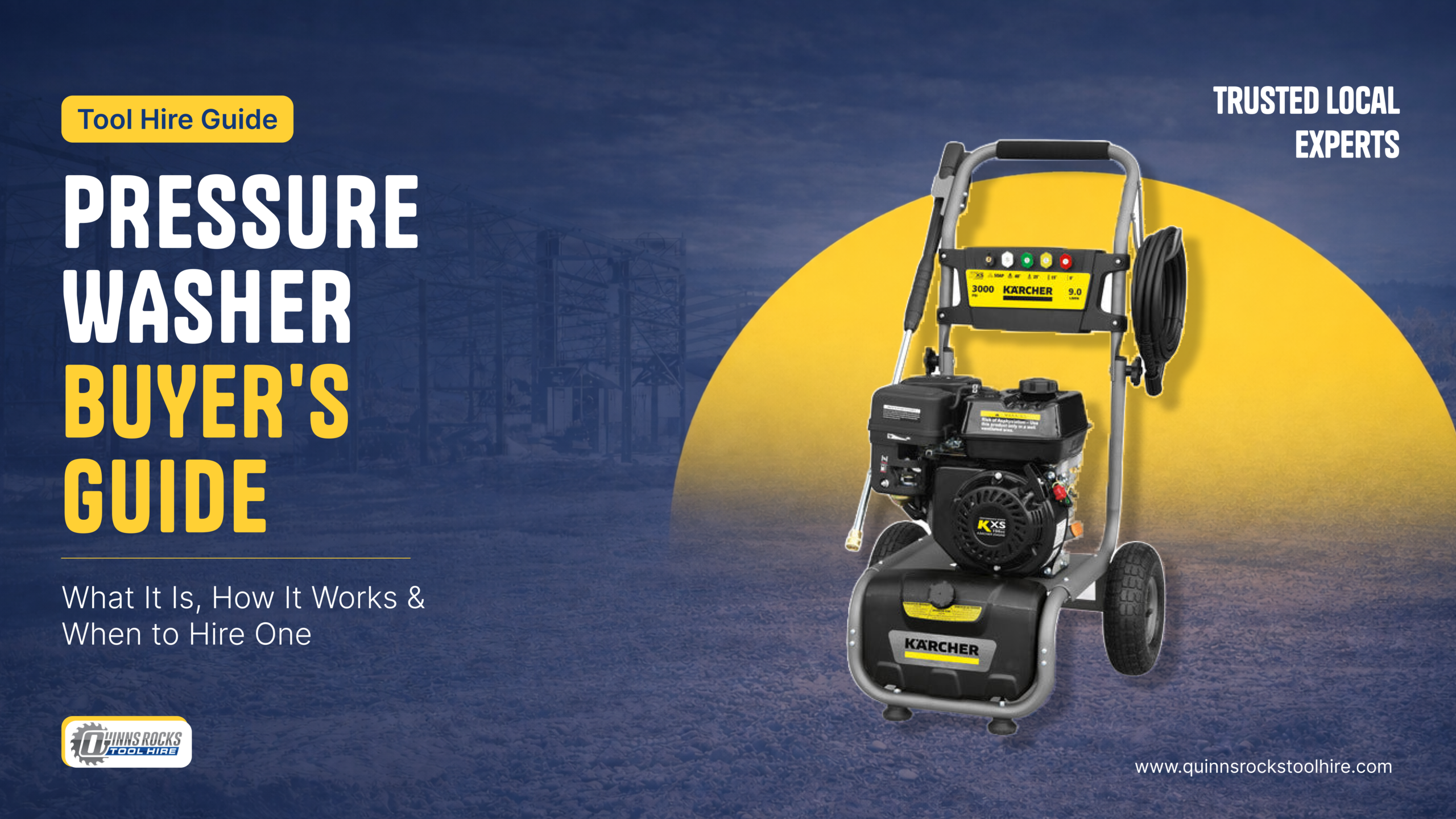
When it comes to cleaning outdoor spaces, nothing beats the power and efficiency of a pressure washer. This Pressure Washer Buyer’s Guide is designed to help you make the best decision based on your specific needs, whether you’re cleaning a car, driveway, or heavy-duty construction equipment.
At Quinns Rocks Tool Hire, professionals and homeowners alike rely on high-quality equipment to get the job done right. But with so many options available, choosing the right pressure washer can feel overwhelming.
Let’s break it down in simple terms so you can confidently pick the perfect machine.
Why Choosing the Right Pressure Washer Matters
Choosing the wrong pressure washer can lead to wasted money, poor results, or even damage to surfaces. For example, using too much pressure on a car can strip paint, while too little pressure won’t clean a driveway effectively.
The right model ensures:
- Efficient cleaning
- Time savings
- Surface protection
- Better long-term value
Overview of Pressure Washer Types
There are three main categories:
- Electric pressure washers
- Petrol (gas-powered) pressure washers
- Commercial-grade units
Each type serves a different purpose, which we’ll explore next.
Also Check: Affordable Cleaning Tools Hire | Quinns Rocks WA
Types of Pressure Washers Explained
Electric Pressure Washers
Electric models are ideal for light-duty tasks. They are:
- Lightweight
- Easy to use
- Quiet
- Perfect for home use
Best for:
- Cars
- Bikes
- Outdoor furniture
Petrol (Gas) Pressure Washers
Petrol pressure washers are more powerful and portable. They don’t require a power outlet, making them ideal for outdoor and remote jobs.
Best for:
- Driveways
- Decks
- Construction sites
Commercial vs Residential Models
Commercial units offer:
- Higher PSI and GPM
- Durable components
- Longer runtime
Residential models are more affordable and suited for occasional use.
Key Features to Consider Before Buying
PSI (Pressure Output)
PSI (pounds per square inch) determines cleaning power.
- Light-duty: 1300–1900 PSI
- Medium-duty: 2000–2800 PSI
- Heavy-duty: 3000+ PSI
Higher PSI means stronger cleaning but also requires more control.
GPM (Water Flow Rate)
GPM (gallons per minute) measures how much water flows through the machine. A higher GPM:
- Cleans faster
- Covers larger areas
- Improves efficiency
Motor and Pump Quality
Look for:
- Durable pumps (axial or triplex)
- Reliable motors
- Thermal protection features
These ensure longevity and consistent performance.
Also Check: How Much Does Tool Hire Cost in Quinns Rocks? 2026 Price Guide
Matching Pressure Washers to Jobs
Cleaning Cars and Outdoor Furniture
Use:
- Low PSI (1300–1900)
- Wide spray nozzle
This prevents damage to paint and delicate surfaces.
Driveways, Patios, and Decking
Use:
- Medium PSI (2000–3000)
- Surface cleaner attachments
Perfect for removing dirt, mold, and stains.
Industrial and Construction Cleaning
Use:
- High PSI (3000+)
- Petrol-powered units
These machines handle grease, grime, and heavy debris.
Attachments and Accessories Guide
Nozzles and Spray Patterns
Different nozzles provide varying spray angles:
- 0°: Strong jet
- 15°: Heavy cleaning
- 25°: General cleaning
- 40°: Light cleaning
Surface Cleaners
Surface cleaners:
- Provide even cleaning
- Prevent streaks
- Save time
Detergent Tanks
Built-in tanks allow:
- Easy soap application
- Better stain removal
Safety Tips When Using Pressure Washers
Common Risks and How to Avoid Them
Pressure washers can be dangerous if misused. Risks include:
- Skin injuries
- Surface damage
- Electrical hazards
Best Practices for Safe Operation
- Wear protective gear
- Keep a safe distance
- Avoid pointing at people or pets
- Use correct nozzle settings
Also Check: DIY Fencing: What Equipment Do You Actually Need?
Cost vs Value: Budget Considerations
Entry-Level vs Professional Models
| Type | Price Range | Best For |
| Entry-Level | Low | Small home tasks |
| Mid-Range | Medium | Regular use |
| Professional | High | Heavy-duty work |
Renting vs Buying Options
If you only need a pressure washer occasionally, renting is a smart choice. That’s where Quinns Rocks Tool Hire becomes invaluable.
Benefits of renting:
- Lower upfront cost
- Access to high-end equipment
- No maintenance worries
Why Choose Quinns Rocks Tool Hire
Benefits of Hiring Instead of Buying
At Quinns Rocks Tool Hire, you get:
- Professional-grade tools
- Affordable pricing
- Expert advice
This makes it easier to choose the right pressure washer for your specific job.
Trusted Local Expertise
With years of experience, the team understands local needs and provides tailored recommendations for homeowners and contractors alike.
Maintenance Tips for Long-Term Use
Cleaning and Storage
- Drain water after use
- Store in a dry place
- Clean filters regularly
Troubleshooting Common Issues
Common problems include:
- Low pressure → Check nozzle or hose
- Engine won’t start → Inspect fuel or spark plug
- Leaks → Tighten connections
Regular maintenance extends the life of your machine.
FAQs
1. What PSI is best for home use?
A range of 1300–2000 PSI is ideal for most household cleaning tasks.
2. Can I use a pressure washer on my car?
Yes, but use low pressure and a wide nozzle to avoid damage.
3. Is petrol or electric better?
Electric is best for light tasks, while petrol is better for heavy-duty jobs.
4. How often should I service my pressure washer?
Service it at least once a year or after heavy use.
5. Are pressure washers safe?
Yes, if used correctly with proper safety precautions.
6. Should I rent or buy a pressure washer?
If you use it occasionally, renting from Quinns Rocks Tool Hire is more cost-effective.
Conclusion
This Pressure Washer Buyer’s Guide highlights the key factors you need to consider when choosing the right model for your needs. From understanding PSI and GPM to selecting the right type for your job, making an informed decision will save you time, money, and effort.
Whether you’re tackling a small home project or a large commercial job, the right equipment makes all the difference. And if you’re unsure, Quinns Rocks Tool Hire is your trusted partner for reliable tools and expert guidance.




One thought on “Pressure Washer Buyer’s Guide: Choosing Between Models for Different Jobs”