Introduction to PPE for DIY Projects
DIY projects can be rewarding, cost-effective, and satisfying, but they also come with safety risks. Whether you’re drilling into walls, cutting timber, or working with power tools, Personal Protective Equipment (PPE) plays a crucial role in preventing injuries.
This PPE checklist is designed to help homeowners and weekend renovators stay safe while working on projects around the house. At Quinns Rocks Tool Hire, safety is just as important as having the right tools, which is why understanding and using PPE correctly should always be your first step before starting any job.
Why PPE Is Essential for DIY Work
Many DIY accidents occur because safety gear is overlooked or used incorrectly. Even small projects can lead to serious injuries if proper precautions are not taken.
Using PPE helps:
- Prevent eye injuries from flying debris
- Protect lungs from dust and fumes
- Reduce risk of cuts, burns, and impact injuries
- Ensure compliance with safety standards
Proper protection allows you to work confidently and focus on completing your project efficiently.
Complete PPE Checklist for DIY Jobs
Before starting any project, make sure you have the following safety equipment ready.
1. Safety Glasses or Goggles
Eye protection is one of the most important pieces of PPE. Tasks such as drilling, grinding, or cutting materials can send debris flying at high speed.
Use safety glasses when:
- Using power tools
- Cutting wood or metal
- Working with chemicals or paints
2. Protective Gloves
Different projects require different types of gloves. For example:
- Cut-resistant gloves for handling sharp materials
- Rubber gloves for painting or chemical use
- Heavy-duty gloves for construction and landscaping
Gloves protect against:
- Cuts and abrasions
- Chemical exposure
- Splinters and sharp edges
3. Hearing Protection
Power tools such as drills, grinders, and saws can produce noise levels that may damage your hearing over time.
Use:
- Earplugs for short-term tasks
- Earmuffs for prolonged or loud work
4. Dust Masks and Respirators
Dust and airborne particles are often invisible but can cause long-term respiratory problems. Activities like sanding, cutting concrete, or demolishing walls release harmful particles into the air.
Recommended protection:
- Dust masks for light work
- Respirators for heavy dust or fumes
Also Check: Pressure Washer Buyer’s Guide: Choosing Between Models for Different Jobs
5. Safety Footwear
Regular sneakers do not provide adequate protection on job sites. Safety boots with reinforced toes help protect against falling tools, heavy materials, and sharp objects on the ground.
Safety footwear helps:
- Prevent crush injuries
- Improve grip on slippery surfaces
- Reduce risk of puncture wounds
6. Protective Clothing
Loose clothing can get caught in machinery, while exposed skin can be vulnerable to sparks, chemicals, and debris.
Ideal clothing includes:
- Long sleeves and durable fabrics
- High-visibility clothing for outdoor work
- Aprons or coveralls for messy projects
7. Hard Hats (When Required)
Hard hats are often overlooked in DIY settings but are essential when:
- Working under structures
- Installing ceilings or roofing
- Handling overhead materials
They protect against falling objects and accidental head impacts.
Matching PPE to Different DIY Tasks
Not every project requires full protective gear, but certain tasks demand specific equipment.
Woodworking and Carpentry
Recommended PPE:
- Safety glasses
- Gloves
- Hearing protection
- Dust mask
These protect against sawdust, splinters, and loud equipment.
Concrete Cutting and Grinding
Concrete work produces large amounts of dust and debris.
Essential PPE:
- Respirator
- Safety goggles
- Gloves
- Safety boots
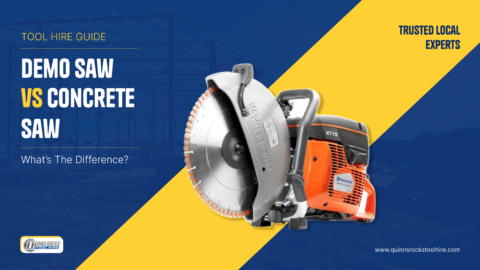
Also Check: Concrete Saw: What It Is, How It Works & When to Hire One in Quinns Rocks
Painting and Chemical Use
Paints, solvents, and adhesives release fumes that can be harmful in enclosed spaces.
Use:
- Respirator or mask
- Chemical-resistant gloves
- Protective clothing
Outdoor Landscaping and Garden Work
Landscaping tools can cause serious injuries if mishandled.
Recommended:
- Gloves
- Safety boots
- Eye protection
Common DIY Injuries and How PPE Prevents Them
Without proper protection, even simple tasks can lead to:
- Eye injuries from flying particles
- Hearing damage from loud machinery
- Breathing problems from dust exposure
- Cuts, burns, and impact injuries
PPE acts as the first line of defence, significantly reducing the likelihood and severity of these incidents.
How to Choose the Right PPE
When selecting protective equipment, consider:
- The type of project
- Duration of work
- Level of risk involved
Look for:
- Australian safety standards compliance
- Comfortable fit to encourage regular use
- Durable materials for long-term reliability
At Quinns Rocks Tool Hire, staff can guide you on which PPE is best suited to the equipment you’re hiring and the job you’re planning.
PPE Maintenance and Storage Tips
Protective gear only works effectively when it is in good condition.
Best practices include:
- Cleaning goggles and masks after use
- Replacing worn-out gloves and filters
- Storing PPE in a dry, dust-free environment
Regular inspection ensures your equipment remains safe and effective for future projects.
Also Check: How Much Does Tool Hire Cost in Quinns Rocks? 2026 Price Guide
Renting Tools? Don’t Forget Safety Gear
Many DIYers focus on tools but forget that safety equipment is equally important. When hiring equipment, make sure you also check:
- Whether PPE is included
- What additional safety gear is recommended
Quinns Rocks Tool Hire not only provides high-quality tools but also offers expert advice on the protective equipment required for each job, helping you stay safe while working efficiently.
Conclusion
Having the right tools is only half the job—working safely is what ensures your DIY project is successful and injury-free. This PPE checklist helps you prepare properly, avoid common hazards, and work with confidence on any home improvement task.
Whether you’re sanding timber, cutting concrete, or repainting a room, the right protective equipment can prevent accidents and keep your project running smoothly. And if you’re unsure which safety gear you need, the team at Quinns Rocks Tool Hire is always ready to help you choose the safest and most suitable setup for your job.
FAQs
1. Is PPE really necessary for small DIY projects?
Yes. Even minor tasks can cause injuries without proper protection, especially when using power tools.
2. What is the most important piece of PPE?
Eye protection is often considered the most critical, as eye injuries are among the most common DIY accidents.
3. Can I reuse dust masks and respirators?
Disposable masks should be replaced after heavy use, while reusable respirators require filter replacement and regular cleaning.
4. Do I need safety boots for home projects?
If you’re working with heavy tools, sharp materials, or outdoors, safety boots are strongly recommended.
5. How do I know if my PPE meets safety standards?
Look for certification labels that indicate compliance with Australian safety standards.
6. Can I hire PPE along with tools?
Some safety equipment may be available or recommended when hiring tools from Quinns Rocks Tool Hire. Always ask before starting your project.